
Hey there! If you’re looking to pack on muscle quickly, then you’ve probably wondered how much protein you need to consume. Protein is essential for muscle growth, but do you know exactly how much you should be eating to see results fast? In this article, we’ll break down the optimal amount of protein you need to build muscle quickly and efficiently. Let’s get started on maximizing your gains! Have you ever wondered how much protein you should be consuming to build muscle quickly and efficiently? In this article, we will break down everything you need to know about protein intake for muscle growth. From the science behind protein synthesis to practical tips on how to increase your protein intake, we’ve got you covered. Let’s dive in!

Understanding Protein and Muscle Growth
Protein is essential for muscle repair and growth. When you work out, you create microscopic tears in your muscle fibers. Protein helps repair these tears, making your muscles bigger and stronger over time. The process of building muscle with protein is known as protein synthesis.
Protein Synthesis Explained
Protein synthesis is the process by which your body builds new proteins. When you consume protein, your body breaks it down into amino acids, which are the building blocks of protein. These amino acids are then used to repair and build new muscle tissue, leading to muscle growth.
Protein synthesis is elevated after a workout, so consuming protein shortly after exercise can maximize muscle growth. This is why many athletes and bodybuilders consume protein shakes or meals high in protein post-workout.
How Much Protein Do You Need?
The amount of protein you need to build muscle fast depends on various factors, including your age, weight, fitness level, and workout intensity. As a general guideline, the Recommended Dietary Allowance (RDA) for protein is 0.8 grams per kilogram of body weight. However, if you are looking to build muscle, you may need more protein than the RDA suggests.
Protein Intake for Muscle Growth
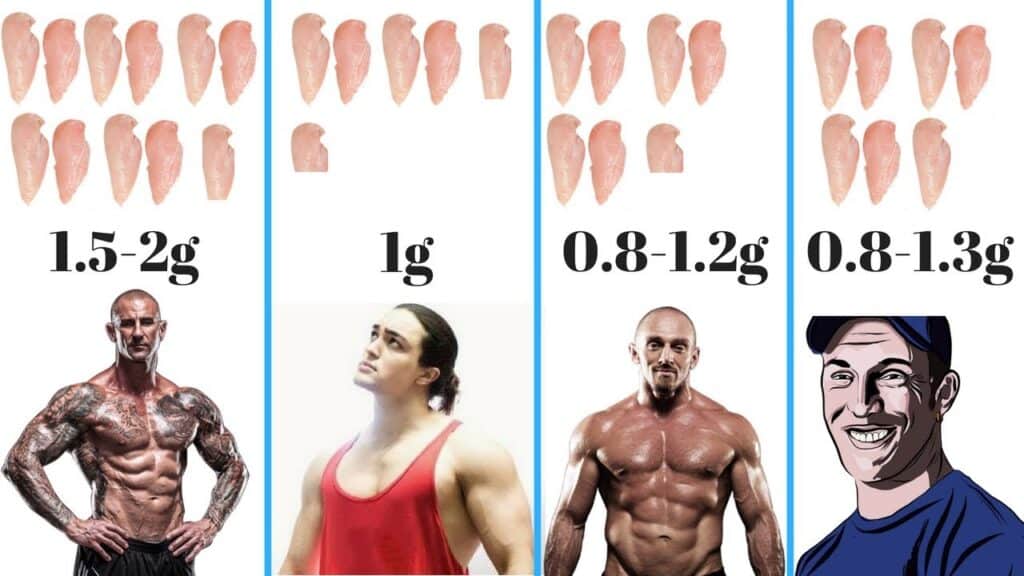
To build muscle fast, it is recommended to consume between 1.2-2.2 grams of protein per kilogram of body weight. For example, if you weigh 150 pounds (68 kilograms), you would need to consume between 82-150 grams of protein per day.
Timing Your Protein Intake
In addition to the total amount of protein you consume, the timing of your protein intake also plays a role in muscle growth. Consuming protein shortly after a workout can help repair and build muscle tissue, leading to faster and more efficient muscle growth.
Protein Distribution Throughout the Day
It is also important to distribute your protein intake evenly throughout the day to maximize muscle protein synthesis. Aim to consume protein at every meal and snack to provide your body with a steady supply of amino acids for muscle repair and growth.
Best Sources of Protein for Muscle Growth
Not all protein sources are created equal when it comes to building muscle. Some sources of protein are more bioavailable and contain a higher concentration of essential amino acids, which are crucial for muscle repair and growth.
Animal-Based Protein Sources
Animal-based protein sources, such as chicken, turkey, beef, fish, eggs, and dairy products, are considered high-quality proteins. These sources contain all the essential amino acids your body needs for muscle growth, making them ideal choices for building muscle fast.
Plant-Based Protein Sources
Plant-based protein sources, such as beans, lentils, tofu, tempeh, quinoa, and nuts, can also be good sources of protein for muscle growth. However, plant-based proteins are often lower in some essential amino acids, so it is important to include a variety of plant-based protein sources in your diet to ensure you are getting all the necessary nutrients for muscle growth.
Protein Supplements
Protein supplements, such as whey protein, casein protein, and plant-based protein powders, can be convenient options for increasing your protein intake. These supplements are easy to consume and can be a quick way to get a high dose of protein post-workout.
Protein-Rich Snacks
In addition to meals, protein-rich snacks can help you meet your daily protein needs and keep you full between meals. Snacks such as Greek yogurt, cottage cheese, protein bars, and nuts are convenient options for increasing your protein intake throughout the day.
Tips for Increasing Your Protein Intake
If you are struggling to meet your daily protein needs, here are some practical tips to help you increase your protein intake for muscle growth:
Track Your Protein Intake
Keep a food diary or use a nutrition tracking app to monitor your daily protein intake. This can help you identify any gaps in your diet and make adjustments to ensure you are meeting your protein needs.
Meal Prep
Preparing your meals in advance can make it easier to ensure you are getting enough protein throughout the day. Cook large batches of protein-rich foods, such as chicken, beef, or beans, and portion them out into meals for the week.
Add Protein to Every Meal
Incorporate a good source of protein into every meal and snack. This can help you meet your daily protein needs and maximize muscle growth.
Protein Shakes
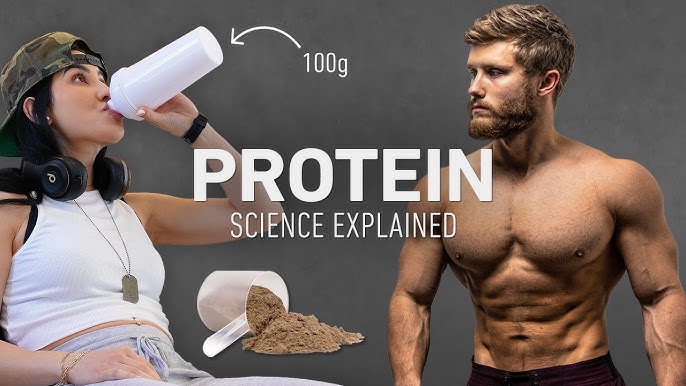
Protein shakes can be a quick and convenient way to increase your protein intake, especially post-workout. Choose a high-quality protein powder and mix it with water, milk, or a plant-based milk alternative for a quick protein boost.
Potential Risks of High Protein Intake
While protein is essential for muscle growth, consuming too much protein can have potential risks and side effects. It is important to be mindful of your protein intake and consult with a healthcare professional or registered dietitian if you have concerns about your protein consumption.
Kidney Damage
High protein intake over a long period of time can put strain on the kidneys, potentially leading to kidney damage or kidney stones. If you have pre-existing kidney issues, it is especially important to monitor your protein intake and consult with a healthcare professional.
Digestive Issues
Consuming excessive amounts of protein can cause digestive issues, such as bloating, gas, and constipation. To minimize digestive discomfort, drink plenty of water and increase your fiber intake when increasing your protein intake.
Nutrient Imbalance
Focusing too heavily on protein consumption can lead to a nutrient imbalance, as it may displace other important nutrients in your diet. To ensure you are meeting all your nutritional needs, aim for a balanced diet that includes a variety of food groups.
Protein is a crucial component of muscle growth, and consuming an adequate amount of protein is essential for building muscle fast. By understanding the science behind protein synthesis and following practical tips for increasing your protein intake, you can maximize muscle growth and achieve your fitness goals. Remember to consult with a healthcare professional or registered dietitian if you have any concerns about your protein intake. Start incorporating these tips into your daily routine and watch your muscles grow stronger each day!
Related Topics About How Much Protein To Build Muscle Fast
How Much Protein For Muscle Growth,
How Much Protein Is Needed To Build Muscle,
How Much Protein To Build Muscle,
How Much Protein To Gain Muscle,
Protein Intake To Build Muscle